
Nashville Home Inspection | Middle Tennessee
If you are touring mid-century or late-20th-century homes in Middle Tennessee, from established neighborhoods in Bellevue and West Meade to older subdivisions in Franklin and Murfreesboro, you might encounter a specific plumbing material that makes home inspectors and insurance underwriters immediately pause: Polybutylene (PB) piping.
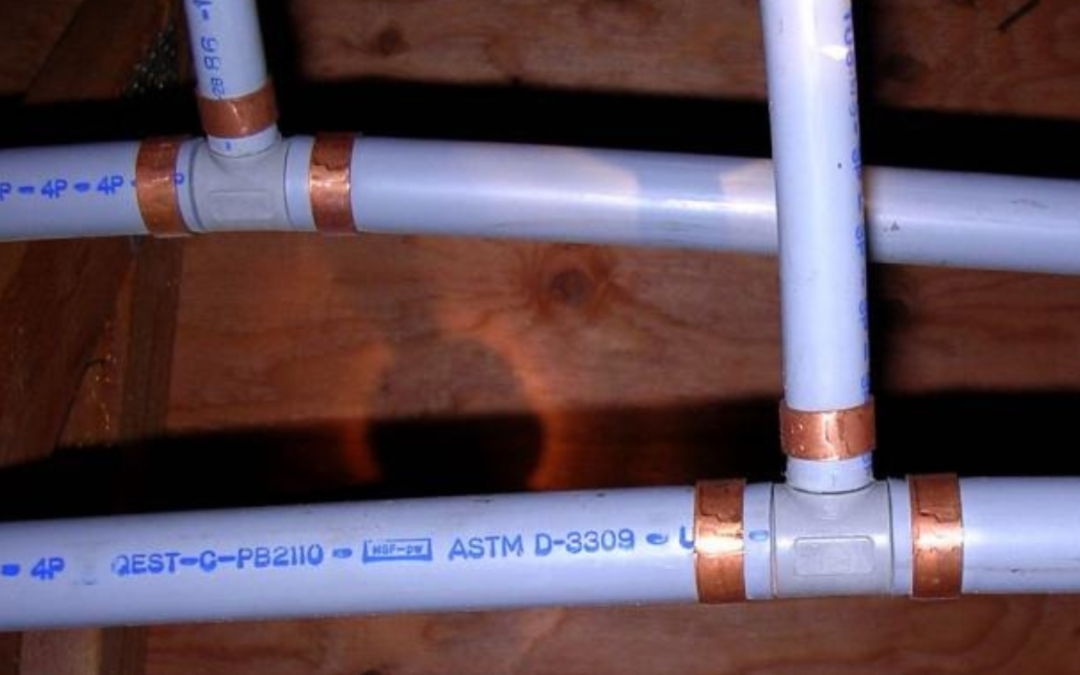
Often referred to as “poly piping,” this grey plastic supply tubing was widely installed as a low-cost alternative to copper during the 1970s, 1980s, and mid-1990s. While some systems are still functioning today, polybutylene carries a notorious reputation for sudden, catastrophic leaks that can flood a home without warning.
Here is what Nashville homebuyers, homeowners, and real estate agents need to know about polybutylene plumbing, how to identify it, and what it means for a real estate transaction.
What is Polybutylene Piping?
Polybutylene is a form of flexible plastic resin pipe used for interior domestic water supply lines and main underground water service lines. Introduced as a “pipe of the future,” it promised quick installation without the high material cost or labor required for copper or galvanized steel.
To distinguish polybutylene from other common plumbing materials:
-
Polybutylene (PB): Flexible, matte grey plastic tubing (rarely blue or black).
-
PEX: Flexible plastic tubing in solid red, blue, white, or clear.
-
CPVC / PVC: Rigid plastic piping in beige/cream (CPVC) or bright white (PVC).
-
Copper / Galvanized: Rigid metallic piping.
While polybutylene was intended to function similarly to modern PEX piping, the chemical composition and joint connection fittings used for polybutylene proved significantly less reliable over time.
Why Does Polybutylene Fail?
The primary issue with polybutylene stems from a chemical reaction between the interior wall of the pipe and municipal water disinfectants:
- Chemical Degradation: Chlorine and other oxidants commonly used in municipal water supplies react with the polybutylene resin, causing the inner walls to micro-fracture, flake, and become brittle.
- Failing Crimp Joints: Polybutylene relies on metal crimp rings and plastic or metal insert fittings to make connections. The localized stress from these crimps, combined with chemical degradation, causes the joint connections to crack, slip, or rupture unexpectedly.
- Internal Deterioration: Because the micro-fracturing happens from the inside out, a polybutylene pipe can look completely normal on the exterior while nearing total structural breakdown on the interior.
How to Identify Polybutylene Plumbing
Because polybutylene looks similar to other plastic plumbing materials, proper identification is crucial during the due diligence period. Look for these key identifiers:
-
Color: Most commonly smooth, matte grey. In rare instances, outdoor water main lines might be blue or black (often referred to as “Big Blue”).
-
Stamping: The pipe sidewall is usually stamped with codes such as “PB2110”, “PB”, or “Polybutylene”.
-
Connections: It is typically joined using dark metal crimp rings over plastic or metallic fittings.
-
Location: Check exposed piping under kitchen and bathroom sinks, near the water heater, coming through basement or crawlspace walls, or at the main water shutoff valve.
Note: Do not confuse grey polybutylene with rigid beige/cream CPVC, bright white PVC, or modern flexible PEX.
What Polybutylene Means for Nashville Real Estate Transactions
Discovering polybutylene during a home walkthrough or inspection does not automatically mean a deal is dead, but it does require strategic planning:
1. Insurance Challenges
Many major homeowner insurance carriers in Tennessee refuse to write new policies—or charge significantly higher premiums—for properties containing active polybutylene plumbing. Addressing insurance coverage early in your contract period prevents last-minute closing delays.
2. Whole-House Repiping Costs
Because patch repairs on polybutylene are unreliable and prone to secondary leaks nearby, the industry standard recommendation is a complete whole-home repipe (typically using modern PEX). Buyers can use the inspection report findings to negotiate repair credits or price adjustments prior to closing.
3. Comprehensive Inspection Verification
Because polybutylene can be hidden inside wall cavities while visible areas (like under sinks) have been partially updated, a thorough evaluation by a licensed home inspector is essential to confirm whether active PB piping remains in the home.
Protect Your Investment Before Closing
If you are buying or listing a home built between 1978 and 1995 in Middle Tennessee, verifying the plumbing material is an essential step in protecting your property value and avoiding unexpected water damage.
Are you navigating a real estate transaction in Greater Nashville? Ensure your investment is evaluated by an expert, detail-driven inspection team. Schedule your home inspection with DILIGENT today!
Experience the DILIGENT Difference
With DILIGENT, you can understand the value of your potential home investment by skipping the guesswork and gathering deeper information about your new home with our detailed reports provided the same day as your inspection.
