
Nashville Home Inspection | Middle Tennessee
Walking into a living room with a fireplace adds an undeniable charm and warmth to a home. Whether you are touring historic estates in Franklin and East Nashville or looking at new builds in Murfreesboro, a fireplace is often a central selling point.
However, a fireplace is just the visible part of a much larger heating and ventilation system. Not all fireplaces function the same way, and using one incorrectly can pose significant safety hazards.
As a buyer, homeowner, or real estate agent in Middle Tennessee, understanding the key differences between wood-burning, vented gas, ventless gas, and historic coal-burning fireplaces is essential during your property walkthrough.
1. Traditional Wood-Burning Fireplaces
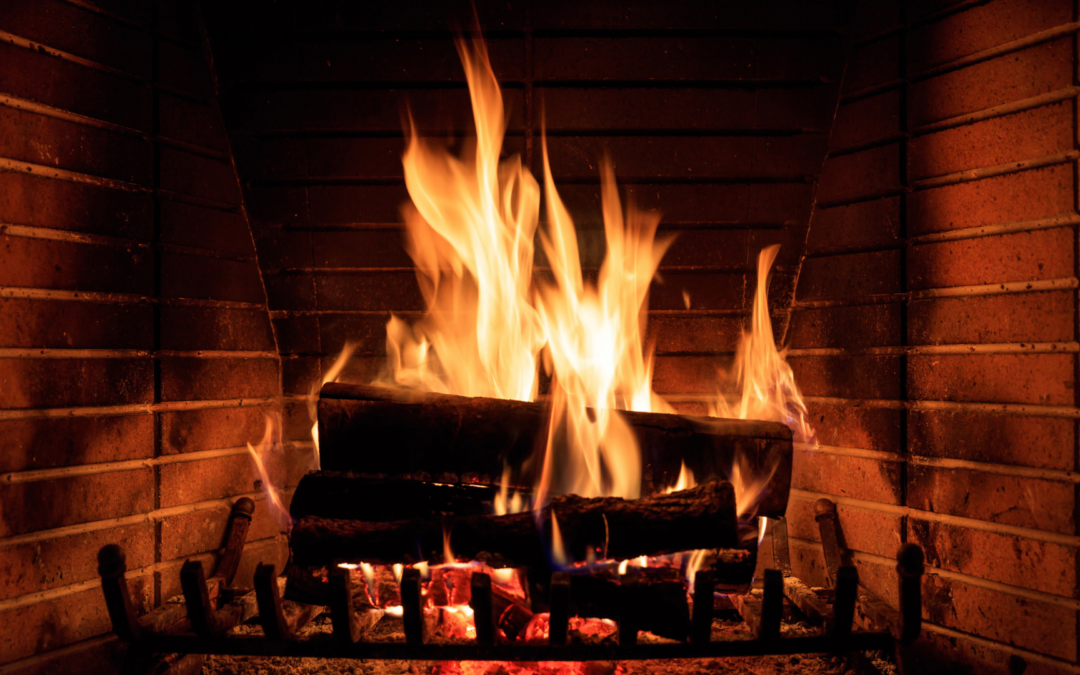
A traditional wood-burning fireplace is engineered to safely contain open flames while directing heavy smoke and combustible combustion byproducts up and out of the home.
-
Visual Identification: Look inside the firebox. A wood-burning fireplace typically features a clean brick or refractory tile interior without permanent gas pipes or burner logs in the base. It has a deep firebox and a wide throat leading up toward the chimney.
-
Ventilation: Looking directly up into the throat of the firebox, you will see a manual metal damper that opens and closes, leading to an open masonry or metal-lined flue that extends all the way through the roof.
-
Key Maintenance Note: Wood fires create creosote—a highly flammable byproduct that accumulates along the flue lining. Annual sweeps and chimney inspections are vital to prevent creosote fires.
2. Gas-Burning Fireplaces (Vented vs. Ventless)
Gas fireplaces are popular for their convenience, instant heat, and clean operation. However, they fall into two distinct mechanical categories that operate very differently:
Vented Gas Fireplaces
Vented gas fireplaces feature a permanent gas line and ceramic log set installed inside the firebox. Like wood-burning units, they require an active, open flue or a dedicated direct-vent pipe to route carbon monoxide and moisture out of the living space.
Ventless (Unvented) Gas Fireplaces
Ventless gas fireplaces are engineered to burn natural gas or liquid propane at near 100% fuel efficiency. The theory behind ventless units is that complete gas combustion releases only heat, light, carbon dioxide, and water vapor. Meaning no exterior chimney or flue is required.
-
Visual Identification: Ventless units often have a solid metal top inside the firebox with no chimney opening above it.
-
What to Consider: While convenient, ventless gas fireplaces release all moisture and combustion byproducts directly into the home. In tight, modern home envelopes, the added humidity can contribute to elevated interior moisture levels, while unvented gases can affect indoor air quality if operated for extended periods.
3. Historic Coal-Burning Fireplaces
In many of Middle Tennessee’s historic 80- to 120-year-old homes, such as those in Belle Meade, Edgefield, or downtown Franklin, you will encounter beautiful ornate mantels and decorative tile surrounds framing very small fireplaces.
-
Visual Identification: Coal-burning fireplaces are easily recognized by their narrow width and shallow depth. Coal burns hotter and requires much less space than wood, resulting in a significantly smaller firebox and a tiny flue opening.
-
Modern Functionality: We no longer burn coal in residential homes, meaning these historic units are almost strictly decorative today unless they have been professionally retrofitted with an approved gas insert.
The Renovation Effect: Decorative vs. Functional Chimneys
If you are purchasing a home that is 60 years or older (especially a recently renovated property) be aware that builders and renovators frequently modify chimney structures.
During open-concept renovations, contractors often remove chimney stacks on upper floors or cap the rooflines to simplify roofing repairs, rendering the ground-floor fireplace entirely decorative. Never light a fire in an older home without first verifying that the flue is continuous, lined, and clear of obstructions.
Protect Your Investment Before Lighting the First Fire
Whether you are buying a historic home with old-world charm or a modern house with a sleek gas unit, ensuring your fireplace and flue are safe for operation is a critical part of your home inspection process.
Are you navigating a real estate transaction in Greater Nashville? Ensure your investment is evaluated by an expert, detail-driven inspection team. Schedule your home inspection with DILIGENT today!
Experience the DILIGENT Difference
With DILIGENT, you can understand the value of your potential home investment by skipping the guesswork and gathering deeper information about your new home with our detailed reports provided the same day as your inspection.
