
Nashville Home Inspection | Middle Tennessee
If you live in downtown Nashville, East Nashville, or the Nations, your home’s waste goes into the municipal sewer system and is processed by Metro Water Services. But as soon as you head into the rolling hills of Williamson, Wilson, Rutherford, or Cheatham counties, or even older pocket neighborhoods right outside the city center, many homes rely on a private septic system.
Whether you are buying a rural homestead or showing a home with private utilities, understanding how a septic system works is essential for protecting your investment and preventing costly surprises.
Here is a breakdown of what actually happens after you flush, how septic systems process household waste, and what to keep in mind during your home inspection.
The Journey of Household Waste: Where Does It All Go?
Every time you flush the toilet, run the shower, run a load of laundry, or use the kitchen sink, that wastewater leaves your home through a main waste pipe.
Instead of flowing to a city treatment plant, a septic system uses a localized, underground treatment process powered by gravity, anaerobic bacteria, and natural soil filtration.
A standard residential septic system consists of two main components:
1. The Septic Tank
2. The Drainfield (or Leach Field)
Step 1: The Septic Tank (Separation & Digestion)
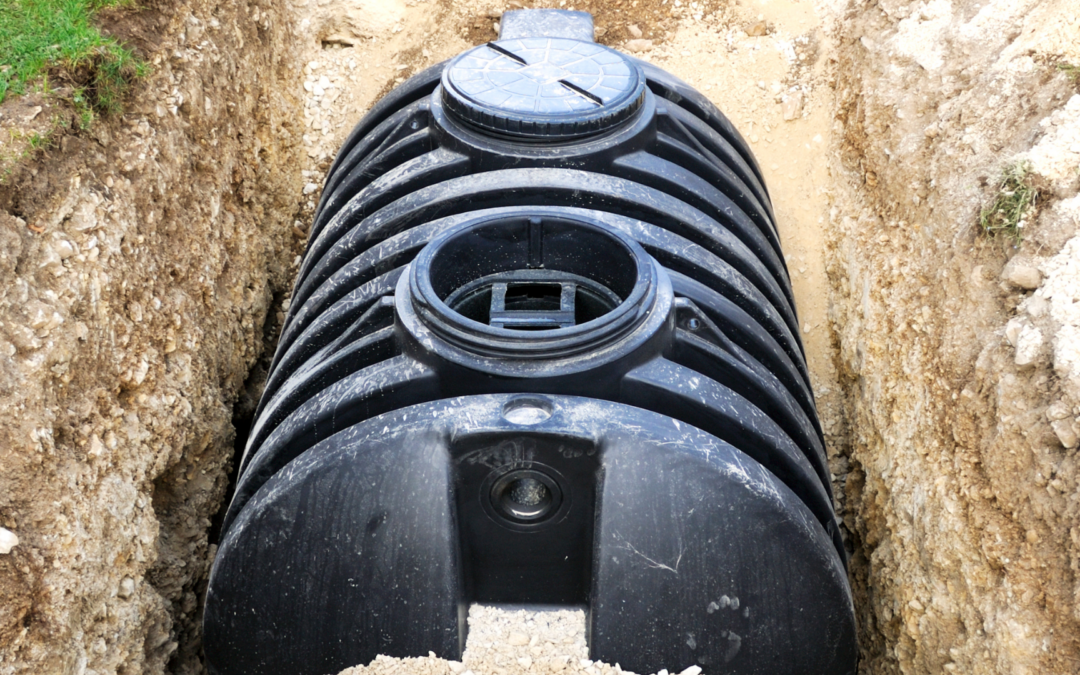
The septic tank is a large, watertight container buried underground near the home, usually constructed of concrete, polyethylene, or fiberglass. Modern septic tanks typically feature two internal chambers separated by a concrete or synthetic wall called a baffle.
Here is how the tank processes waste step-by-step:
-
Primary Settlement: All wastewater enters the first chamber. Heavy organic solids settle to the bottom to form a layer of sludge. Faux oils, grease, and soap scum float to the top to form a scum layer.
-
Bacterial Breakdown: Beneficial bacteria living inside the tank digest and break down the solid organic waste, naturally reducing its volume over time.
-
Effluent Transfer: The liquid sitting in the middle of these two layers (known in the industry as effluent) flows over or through the baffle wall into the second chamber.
-
Secondary Settlement: In the second chamber, the effluent breaks down even further, allowing fine particles to settle so that only clarified liquid leaves the tank.
Step 2: The Drainfield (Natural Soil Filtration)
Once the liquid effluent exits the second chamber of the septic tank, it flows into the drainfield (also called a leach field).
The drainfield consists of a network of perforated pipes buried in gravel-filled trenches across a large section of the yard.
- Slow Percolation: The liquid slowly drips out of the perforated pipes into the surrounding soil.
- Natural Purification: As the effluent trickles downward through layers of soil and gravel, naturally occurring soil bacteria filter out remaining nutrients, organic matter, and harmful pathogens.
- Return to the Water Table: By the time the water passes through several feet of soil to reach the underground water table, it has been fully purified by nature.
Why Middle Tennessee Geology Matters for Septic Systems
Septic systems are remarkably efficient, but they rely heavily on one critical factor: soil percolation (how well the ground absorbs and filters water).
In Middle Tennessee, shallow limestone bedrock and heavy clay soil create unique challenges:
-
Shallow Soil Lines: If bedrock sits just a few feet below the topsoil, traditional leach lines cannot be installed deep enough to filter water properly.
-
Heavy Rainfall & Saturated Soil: During heavy Middle Tennessee downpours, clay soil can become oversaturated, preventing the effluent from leaching into the ground.
-
Smelly Leach Fields: If the soil cannot absorb the water, effluent can back up to the surface, causing standing water and unpleasant odors in the yard.
What Buyers and Real Estate Agents Need to Know
If you are buying or selling a home with a septic system in the Greater Nashville area, keep these three maintenance and inspection tips in mind:
1. Standard Home Inspections Do Not Evaluate the Septic Tank
A standard home inspection covers the visible plumbing inside the house and tests the functional flow of drains. However, evaluating the inside of a buried septic tank and inspecting the drainfield falls outside standard inspection parameters. Always hire a licensed septic specialist to locate, uncover, pump, and evaluate the tank during your due diligence period.
2. Schedule a Sewer Camera Inspection
Before the waste ever reaches the tank, it travels through the main sewer line leaving the house. A sewer scope inspection uses a fiber-optic camera to check for pipe bellies, cracks, or invasive tree roots that could cause raw sewage to back up into the home.
3. Mind the System’s Capacity
Septic systems are permitted based on the property’s bedroom count, not square footage. Adding an extra bedroom or suddenly hosting large groups can overload the tank and flood the drainfield if the system wasn’t sized for the extra load.
Protect Your Investment Before Closing
A well-maintained septic system can easily last 25 to 30+ years, providing reliable, off-grid waste management. Understanding how your system functions and ensuring it receives proper evaluations before closing is the best way to safeguard your property value and peace of mind.
Experience the DILIGENT Difference
With DILIGENT, you can understand the value of your potential home investment by skipping the guesswork and gathering deeper information about your new home with our detailed reports provided the same day as your inspection.
