
Nashville Home Inspection | Middle Tennessee
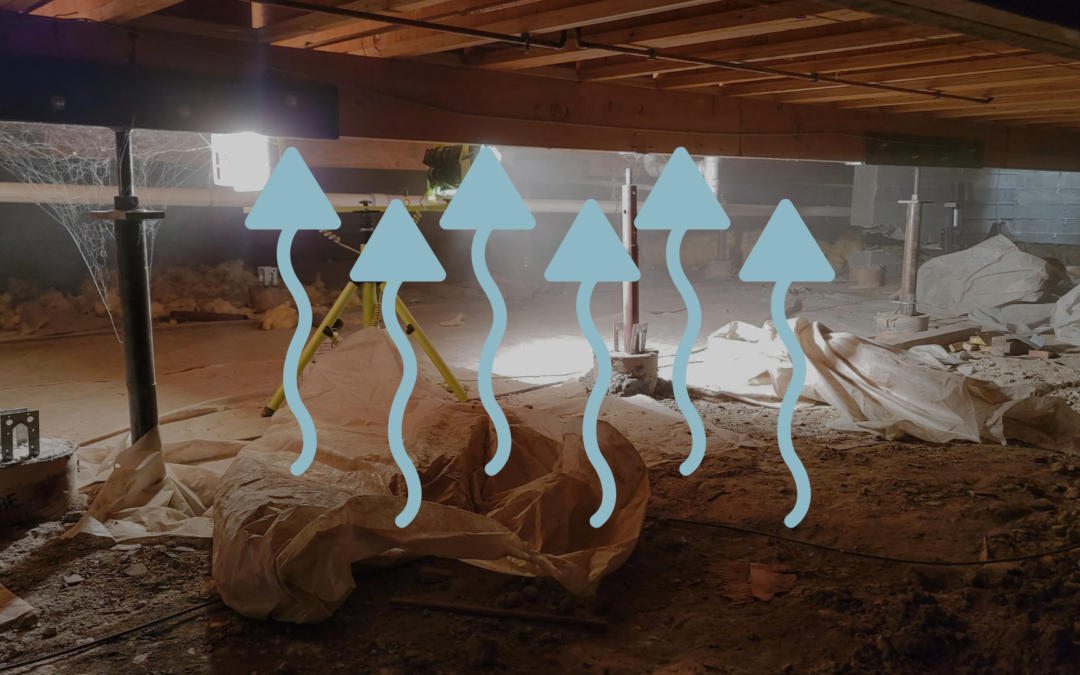
If you’ve ever ventured into your crawlspace on a blistering July afternoon in Middle Tennessee, you might have noticed something confusing. Outside, it’s 95° and bone-dry, but underneath your home, it feels like a tropical rainforest. In fact, it might actually be “raining.”
As Nashville home inspectors, we spend a lot of time in these tight spaces. During the peak of a Southern summer, we’ve had many moments where we’ve brushed up against a vent or a duct and come out with a soaking wet backside.
It sounds crazy, but “crawlspace rain” is a very real thing. Here’s why it happens and why you shouldn’t ignore it.
The Science of the “Summer Sweat”
In the summertime, your attic is a furnace, but your crawlspace stays relatively cool. This is because the earth beneath your home maintains a much lower, steady temperature.
While that sounds nice, it creates a major problem when you add Nashville’s famous humidity into the mix. When that heavy, moisture-laden air hits the cold elements under your house, like your metal ductwork or cold plumbing pipes, it reaches the “dew point” instantly.
The result? Massive amounts of condensation. It builds up on the ducts until it eventually drips off, soaking your insulation and making it look (and feel) like it’s raining underground.
Why This is a Problem for Your Home
While a little bit of water might not seem like a big deal, consistent “rain” in your crawlspace is a recipe for disaster.
- Soggy Insulation: Once your fiberglass insulation gets wet, it loses its R-value and starts to sag, pulling away from the floorboards.
- Wood Rot: That moisture eventually finds its way into your floor joists and subflooring.
- Mold Growth: Dark, cool, and wet? That’s exactly where mold loves to set up shop.
Organic Material + Moisture = Mold.
Since our houses are made of organic stuff (wood and paper-faced drywall), the only variable we can control is the water. If you smell that musty vapor, it’s a telltale sign that something is wet, or has been wet recently.
How to Stop the Drip
You can’t change the Tennessee weather, but you can change the environment under your home.
- A High-Quality Vapor Barrier: This is your first line of defense. A thick, well-installed plastic barrier prevents moisture from rising out of the dirt and into the air.
- Crawlspace Encapsulation: If a vapor barrier isn’t enough, encapsulation is the gold standard. By sealing the vents and adding a dehumidifier, you take total control of the humidity. When the air is dry, the “rain” stops.
- Insulate Your Ducts: Ensuring your ductwork is properly wrapped and sealed can prevent that cold metal from coming into contact with humid air.
What Should You Do Next?
If you suspect your crawlspace is “sweating,” don’t wait for the musty smells to reach your living room. Whether you’re buying a new home or just want to protect the one you have, a professional look is key.
At DILIGENT, we’ve spent 14+ years navigating the unique challenges of Middle Tennessee homes. We know exactly how to spot the difference between a minor condensation issue and a structural threat.
Experience the DILIGENT Difference
With DILIGENT, you can understand the value of your potential home investment by skipping the guesswork and gathering deeper information about your new home with our detailed reports provided the same day as your inspection.
