
Nashville Home Inspection | Middle Tennessee
If you take a stroll through Nashville’s most prestigious historic neighborhoods, like the tree-lined streets of Belle Meade, the sweeping estates of West End, or the older pocket neighborhoods of Franklin, your eyes are usually drawn to the stunning architecture. But if you look up, you might catch a glimpse of something truly rare in the Mid-South: historic slate or terracotta clay tile roofs.
While standard architectural asphalt shingles dominate 95% of Middle Tennessee homes today, these century-old roofing technologies still protect some of our area’s most beautiful luxury and historic properties.
At DILIGENT, we occasionally come across these unique materials during our property inspections. While they offer unparalleled durability, they require a completely different approach to maintenance, evaluation, and repair than your average modern roof.
1. Terracotta Clay Tile: The Old-World Shield
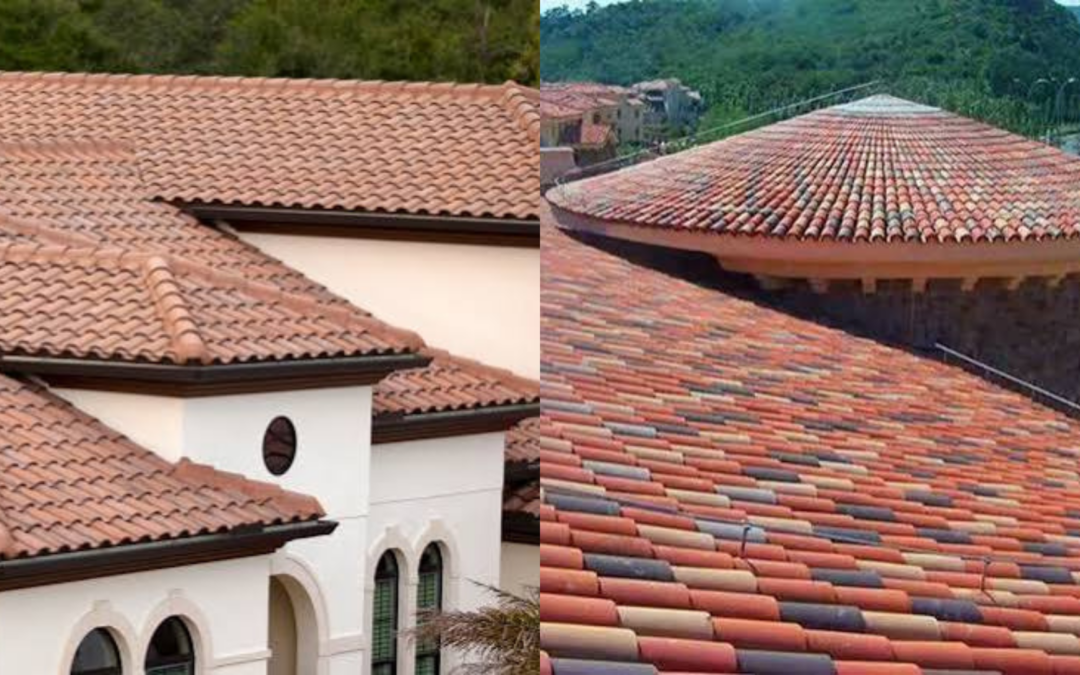
When people think of clay tile roofs, they usually picture Mediterranean-style homes in Florida or Spanish revivals out West. However, during the late 19th and early 20th centuries, terracotta tile was a popular choice for high-end craftsman and revival-style homes right here in the Southeast.
These tiles are created by casting and firing high-density clay. Each piece features a dedicated fastening hole at the top where it is nailed into the roof deck, and the tiles are meticulously lapped (overlapped) as they move up the roof slope to ensure water naturally sheds downward. Specialty heavy tiles are even cast specifically to seal the hips, the external angles where two distinct roof sections meet.
2. Real Slate: The 100-Year Roof
Real slate is arguably the most beautiful and long-lasting roofing material ever discovered. It isn’t manufactured; it is literally mined out of the earth.
Historic slate tiles are hand-hewn by craftsmen who use specialized tools to split metamorphic rock along its natural planes. Each tile is completely unique, featuring hand-broken, textured edges. Like clay, a traditional slate tile features two hand-punched holes at the top for fasteners. They are installed starting from the bottom course and layered upward.
The 100-Year Lifespan: While a modern asphalt shingle roof lasts about 20 to 25 years in the volatile Tennessee climate, a properly installed slate or clay tile roof can easily last 100 to 150+ years.
The Catch: Brittle Stones and “Invisible” Inspections
If these roofs last for over a century, why isn’t everyone using them? Aside from the massive upfront material cost and immense weight (which requires heavy-duty structural framing), slate and clay tile suffer from one major weakness: they are incredibly brittle.
While they can withstand brutal sun and relentless rain for generations, they do poorly against sudden impacts.
- Storm & Branch Damage: A falling tree limb or a severe Middle Tennessee hailstorm can easily crack a tile. Once a piece breaks, it becomes loose, slides down the roofline, or falls off entirely, exposing the underlying roofing felt to water leaks.
- The “No-Walk” Rule: You cannot walk on a slate or clay tile roof. The localized pressure of a human footstep will instantly crack the historic tiles beneath them.
Because of this, a standard home inspector cannot physically walk across the surface. At DILIGENT, we observe these historic systems strictly from the roof edge, using specialized high-powered optics or drone technology to safely evaluate the condition of the tiles without causing accidental damage.
What to Do If You’re Buying a Home with a Historic Roof
If you are an agent representing a buyer, or a homeowner looking to purchase a property with a slate or clay tile roof in Middle Tennessee, keep these three rules in mind:
- Don’t Assume Regular Roofers Can Fix It: Standard roofing crews do not have the tools or training to work on hand-hewn slate or fired terracotta. If a tile is broken, you must hire a specialized historic roofing artisan.
- Check for Fallen Pieces: Walk the perimeter of the yard and look in the bushes. Finding broken fragments of slate or clay on the ground is an immediate sign that tiles have fractured and slid off the roof structure.
- Notify Your Insurance Company Early: Some standard Tennessee insurance providers are hesitant to write policies for historic slate or tile because the replacement cost is so exceptionally high. Address this early in your due diligence period.
Owning a piece of Nashville history is incredibly rewarding, and a well-maintained historic roof is a badge of honor for a property. Just make sure you have the right team looking it over before you head to the closing table.
Experience the DILIGENT Difference
With DILIGENT, you can understand the value of your potential home investment by skipping the guesswork and gathering deeper information about your new home with our detailed reports provided the same day as your inspection.
