
If you’ve spent any time driving through neighborhoods in Nashville, Franklin, or Murfreesboro, you’ve likely noticed something: Middle Tennessee loves brick homes. From historic cottages to new construction, brick remains one of the most popular choices for residential exteriors.
But why is that? And more importantly, what should you know about brick veneers, especially when you’re buying or selling a home in the area?
Let’s dig into the history, the function, and the red flags every homeowner and agent should watch for.
A Quick History of Brick in Southern Architecture
When people from out West visit Middle Tennessee, they’re often surprised by the abundance of brick houses. That’s because brick isn’t as commonly used in other regions, but here, it’s part of the architectural identity.
Historically, brick was one of the cheapest and most available building materials in Tennessee. Many older homes were built with solid brick walls, interior and exterior. Over time, construction methods evolved, and today’s homes are generally wood-framed with a brick veneer applied on the outside.
So while brick still looks traditional, what you’re seeing today is more often a decorative and protective skin, not the structure itself.
Why Brick Is Still So Popular in Tennessee
Brick isn’t just about Southern charm. It also offers some real performance benefits:
- Durability: Brick stands up well to wind, rain, and storms, making it a great choice for Tennessee’s unpredictable weather.
- Thermal protection: Brick veneers help regulate indoor temperatures by acting as a thermal mass, reducing energy usage.
- Curb appeal: Brick gives homes a timeless, upscale look that boosts value and attracts buyers.
But Don’t Forget: Brick Isn’t Perfect
Whether you’re touring a home in East Nashville or inspecting a ranch in Mount Juliet, take a closer look at the brick veneer. While brick is strong, it’s not immune to problems, especially if it’s not installed or maintained correctly.
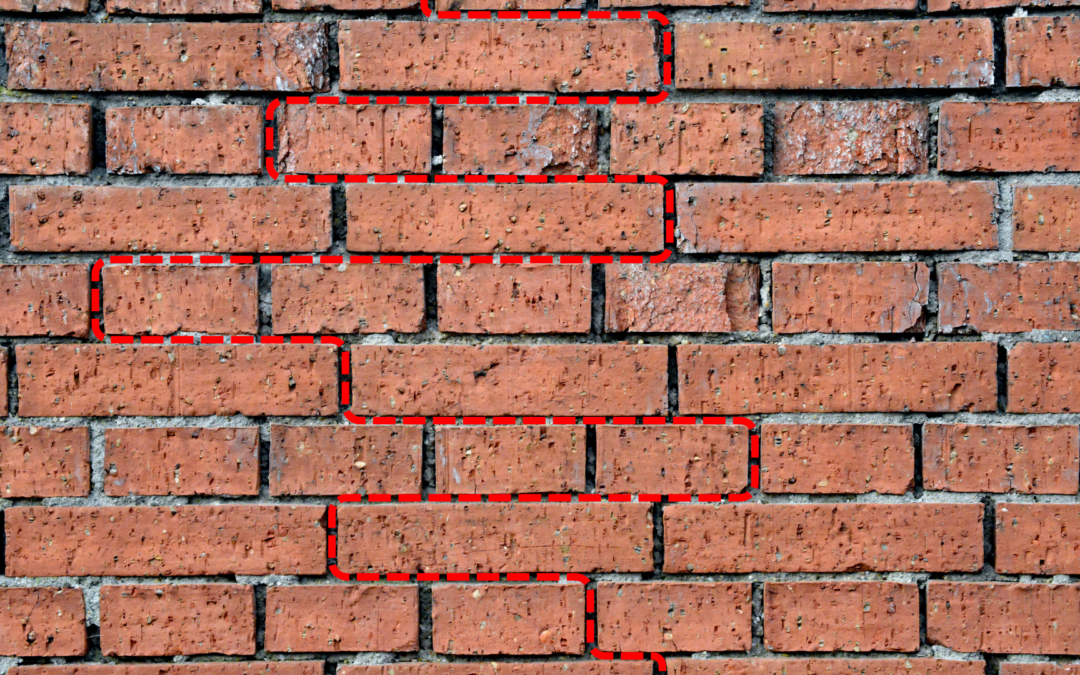
The two most common types of brick veneer cracks in Middle Tennessee are:
1. Step Cracks
These cracks zig-zag along the mortar lines between bricks (like stairs).
- Often found near windows or corners
- Usually, a sign of foundation settlement
- May not be urgent, but should be monitored and assessed
2. Shear Cracks
These cracks run vertically, cutting through both the mortar and the brick itself.
- More concerning than step cracks
- Can indicate serious structural movement or foundation failure
- Should always be evaluated by a professional
In either case, brick veneer cracking can be cosmetic or a signal of a deeper problem. That’s why having a licensed home inspector is crucial, especially in areas with clay-heavy soil, hillside construction, or older homes.
When Should You Worry About Brick Cracks?
Not all cracks are a reason to panic. In some cases, minor movement around windows or doors is normal. But here’s when you should call in a pro:
- Cracks wider than 1/8 inch
- Cracks that are growing over time
- Separation at corners or window frames
- Bulging or leaning brick walls
- Signs of water penetration or mold near cracks
At DILIGENT, we’ve inspected thousands of brick homes across Middle Tennessee, from 100-year-old historic properties to new builds with fresh veneers. We know the difference between cosmetic and critical, and we explain it in plain English.
Brick homes are a Middle Tennessee staple, but they still require inspection, especially when step or shear cracks are visible. Whether you’re a buyer, seller, or agent, knowing what to look for (and when to call an expert) can protect your investment.
Experience the DILIGENT Difference
With DILIGENT, you can understand the value of your potential home investment by skipping the guesswork and gathering deeper information about your new home with our detailed reports provided the same day as your inspection.
